


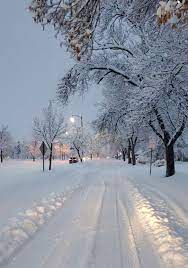
It is no surprise that winter is here and it is in full effect. Wind chills as low as -15°F are likely Thursday and may drop as low as -25°F by Friday morning in some parts of the viewing area. Northerly winds from 20 to 30 mph, with gusts up to around 45 mph, are expected behind tomorrow morning’s cold front. A WIND CHILL WARNING, issued by the National Weather Service, covers roughly the northern two-thirds of the viewing area. This includes Lubbock, Levelland, and Plainview. Wind chill warnings are rare for the Lubbock area. In addition to the extreme wind chills, temperatures will be the coldest we’ve experienced in any December in more than 30 years. As noted over the past several days, a few snowflakes or snow grains may fall but there will not be any accumulation. I do not expect any measurable precipitation. Sub-zero wind chills will continue through about midday Friday. Wind chills near zero are likely through Friday afternoon.

Winter begins today. Why? Because the Winter Solstice is today. It marks the point when Earth’s axial tilt shifts the North Pole farthest from the Sun, which translates to the fewest hours of sunlight of the year in the Northern Hemisphere.
Each day for the past six months the sun has appeared a little lower in the sky. Today, December 21, is the date the sun stops moving southward in our sky, it pauses. After today it will move a little higher in the sky each day. This pause is the Winter Solstice, marking the astronomical beginning of winter.
It is the tilt of the Earth, and not the distance from the Sun, that causes the winter and summer solstices and the seasons. Each hemisphere’s cooler months happen when it’s tilted away from the sun, and its winter solstice (December in the north, June in the south) marks the point when that half of the globe is tilted at its most extreme angle relative to the Sun.
It’s called the shortest day of the year, a reference to the amount of possible daylight from sunrise to sunset. It is, however, not. Due to the discrepancy between clock time and sun-time, the shortest day precedes the solstice by about a week or so.

